Game Collections
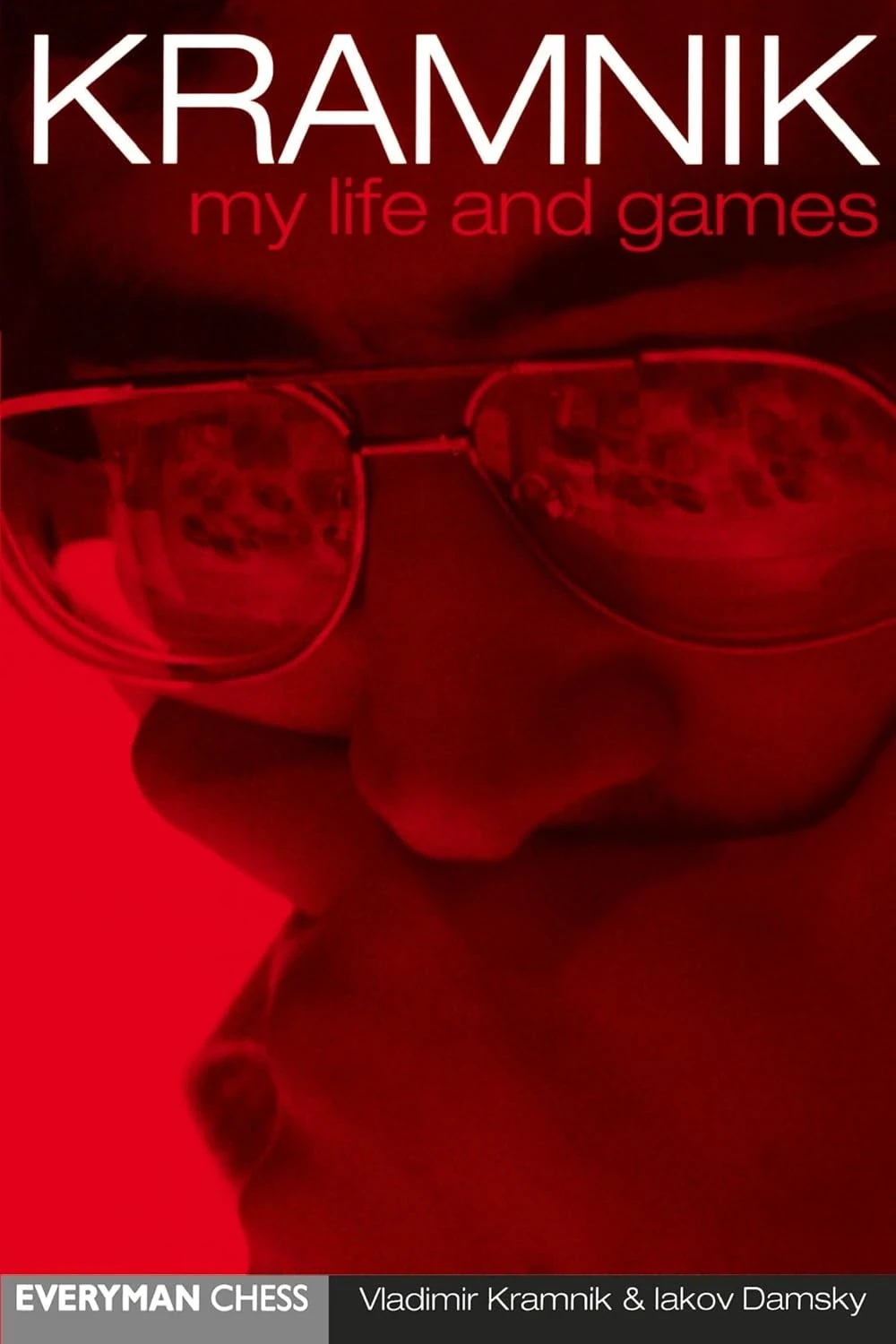
Kramnik: My Life & Games
Manpreeth Singh
Founder Ocean Chess
PUBLISHED ON
Dec 27, 2025
Print Length
272
Language
English
Publisher
Everyman chess
Publication Date
2000
This book had a lot of educational value for me, chess-wise, but it also covers a lot of Vladimir's life and can be used as a way to get to know his life better. In terms of chess, you will learn a lot about a myriad of different openings, and a lot about the top players at the time (mainly, the 90's) as well.
Introduction
I am always baffled when I study the old legends’ games deeper and get a bit more in touch with how strong these guys really were. Kramnik’s way of approaching chess is highly instructive, and you can really feel how these guys were so invested into getting to the bottom of a position (pre-computer times, of course). I am quite fond of Kramnik’s chess style (exclusively talking about the 64 squares here) and got around to reading this book once Carlsen mentioned it is one of the best books he has ever read.
Structure of Kramnik’s Life and Games
This book covers mostly Kramnik’s games, usually coupled with some anecdotes from the tournament where it was played, or between the players, or something like this. The comments are mainly written by Damsky but there are plenty by Kramnik as well.
There are so many great Kramnik games to choose from. This is his famous game against Vishy Anand played in Dortmund in 2001. Kramnik has white and it’s his move on move 16. A typical IQP after sacrificing with d4-d5. How would you evaluate the position? Did the sacrifice work? Test your understanding of the isolani!
On Chessmind you can solve positional problems and get instant feedback like you would from a real coach, you can learn from numerous opening courses, practice tactics adapted to your strength, and get access to ChessGPT! Try it out!
What I got From the Book
The way I read this book is that I would always search the game up before reading the comments, trying to guess Vladimir’s moves and then comparing my guesses against the actual game, and if I still had doubts as to why his move was better than mine, I would then clarify it with the annotations in the book. This book had a lot of educational value for me, chess-wise, but it also covers a lot of Vladimir’s life and can be used as a way to get to know his life better. In terms of chess, you will learn a lot about a myriad of different openings, and a lot about the top players at the time (mainly, the 90’s) as well.
Conclusion
Overall, I find this book useful for anyone wishing to improve, as well as anyone that is unaware of the old players’ true strength, and a reader that is just curious about Kramnik’s life will also be satiated by the end of the book!